Why Malformed Sans Serif is Your Next Favorite Design Asset
There’s a moment in every creative project when the visual direction just clicks. You’ve nailed the color palette, the layout feels balanced, and the imagery tells the right story. Then you get to the typography, and it all falls flat. The font you chose feels generic, uninspired, or worse—it undermines the entire aesthetic you worked so hard to build. This is where a typeface with a distinct personality, like the Malformed sans serif, can transform your work from forgettable to formidable.
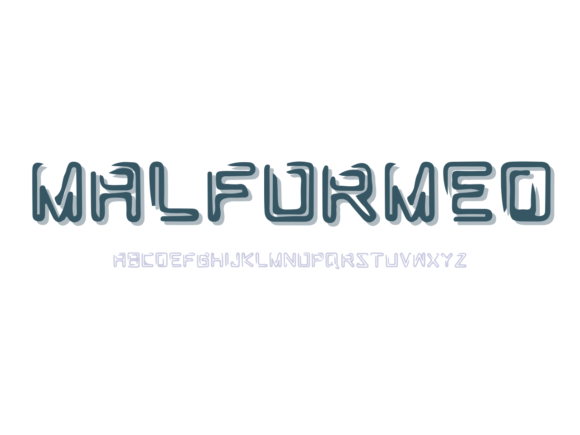
Malformed isn’t just another premium font sitting in a crowded library. It’s a creative font that walks a fascinating line between structure and artistry. As a sans serif font, it delivers the clean, modern clarity we expect, but its true character emerges in the subtle details. Think of the slightly unconventional letterforms, the balanced weight distribution, and the overall rhythm that feels both intentional and alive. This isn't modern typography that shouts; it’s typography that speaks with confident, nuanced authority. It’s designed to become a true favorite, not because it’s trendy, but because it has the substance to elevate a wide range of creative ideas to their highest potential.
A Typeface with Personality for Every Project
The visual appeal of a font like this lies in its ability to be both versatile and distinctive. It avoids the sterile, over-polished look of some geometric sans serifs, and it sidesteps the rigid, corporate feel of others. Instead, it offers a human touch within a digital framework. This makes it incredibly effective for projects where you need to convey approachability without sacrificing professionalism.
Consider its role in brand identity. A small-batch coffee roaster, for example, could use Malformed for their logo and packaging. The font’s unique character would help them stand out on a crowded shelf, communicating a sense of crafted quality and modern sensibility. The same typeface could then seamlessly extend to their website, social media graphics, and even the interior signage of their cafe, creating a powerful and cohesive brand recognition system.
Practical Applications Across Creative Fields
For designers, entrepreneurs, and content creators, the real test of a font is how it performs in the wild. Malformed’s design makes it a strong candidate for a surprising variety of applications, solving common typographic headaches along the way.
- Logo Design & Branding: Its distinctive letterforms are perfect for creating memorable logos that don’t rely on complex illustrations. It works beautifully as a standalone wordmark or paired with a simple icon.
- Packaging Design: On product labels, boxes, and bags, Malformed offers excellent readability at various sizes while injecting personality. It can make a product feel premium, artisanal, or cutting-edge, depending on the context.
- Digital & Web Presence: In web design, it serves as a standout heading font that captures attention without overwhelming the page. For blogs and online articles, it can bring a fresh, engaging feel to titles and pull quotes.
- Social Media & Marketing: In the fast-scrolling world of Instagram or Pinterest, Malformed helps social media graphics pop. It’s ideal for quote images, promotional banners, and story overlays where you need text to be both stylish and instantly legible.
- Print & Editorial Layouts: For magazines, lookbooks, or event posters, it adds a layer of contemporary sophistication. Its clarity ensures body text remains readable, while its personality shines in larger display settings.
- Invitations & Merchandise: From wedding stationery to branded t-shirts, the font adapts to the tone of the project. It can feel elegant for formal events or bold and graphic for streetwear and promotional items.
Making Smart Typographic Choices
Choosing a font is a strategic decision, not just an aesthetic one. The goal is to match the typeface to the project’s core objective and audience. A font for a law firm’s annual report has different requirements than one for a children’s book or a music festival poster.
When evaluating a font like Malformed, start by reviewing all the included font styles. Does it come with multiple weights (Light, Regular, Bold, Black)? Are there italics? Having a family of styles gives you the flexibility to create visual hierarchy and emphasis within your designs. Next, consider font pairing. Malformed, with its strong personality, often pairs beautifully with a simple, neutral serif for body copy or a clean, minimalist sans serif for supporting text. The key is contrast and complement—let the display font do the heavy lifting in headlines while a quieter font handles the paragraphs.
Always test your choices in context. Mock up a logo, set a paragraph of text, or create a sample social media post. How does the font look at the size it will actually be used? Is it still clear and engaging? This practical testing is where you move beyond theory and see if the font truly serves the work.
Investing in Quality for Professional Results
For any commercial project, understanding commercial licensing is non-negotiable. A premium font like Malformed typically comes with a license that covers specific uses—like websites, apps, and printed materials—and may have limits on the number of users or installations. Always read the license agreement carefully to ensure you’re covered for your intended application. This isn’t just a legal formality; it’s an investment in the professional presentation of your brand or client’s work.
In a landscape saturated with free, often poorly made fonts, choosing a professionally crafted design asset pays dividends. It ensures consistency, supports the type designer’s work, and gives you access to superior technical quality—better kerning, spacing, and language support. When you select a font with the care and consideration you’d give to any other core component of your project, you’re not just picking letters. You’re choosing a voice, a mood, and a tool that can help you communicate more effectively, connect with your audience on a deeper level, and ultimately, make your creative vision a reality.